In the realm of printed circuit boards (PCBs), the immersion tin process holds a crucial position. This article aims to elucidate the intricacies of immersion tin plating on PCBs, providing a comprehensive overview of its process, significance, and applications.
Immersion tin, also known as organic solderability preservative (OSP), is a surface finish applied to PCBs to protect the copper traces during storage and assembly. It ensures the preservation of copper and facilitates solderability, playing a pivotal role in the PCB manufacturing process.
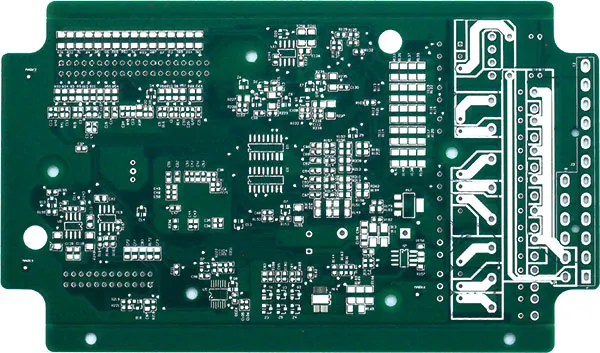
Before immersing PCBs in the tin solution, thorough surface preparation is imperative. This involves meticulous cleaning to remove any contaminants or oxidation from the copper surface. The cleanliness of the copper directly impacts the quality and efficacy of the immersion tin process.
Activation is a crucial step that primes the copper surface for tin deposition. Typically, this involves the application of a chemical solution, such as a stannous chloride solution, which promotes adhesion and facilitates uniform coating of tin.
Once activated, the PCBs are immersed in a bath containing tin (II) chloride solution. During immersion, tin ions from the solution adhere to the activated copper surface through a displacement reaction, forming a thin layer of tin. This layer acts as a protective barrier, preventing oxidation and ensuring solderability.
Following tin deposition, post-treatment processes may be employed to further enhance the characteristics of the immersion tin finish. This may include rinsing to remove excess chemicals, drying to eliminate moisture, and inspection to verify the quality of the tin coating.
One of the primary benefits of immersion tin is its exceptional corrosion resistance. The thin tin layer acts as a barrier, shielding the underlying copper from environmental factors such as moisture and oxidation, thereby extending the lifespan of the PCB.
Further reading:Another critical aspect of immersion tin is its role in facilitating solderability. The smooth and uniform tin surface provides an ideal substrate for solder adhesion during assembly, ensuring reliable electrical connections between components.
Unlike some alternative surface finishes, such as electroless nickel immersion gold (ENIG), immersion tin is relatively environmentally friendly. It does not contain hazardous substances like nickel and palladium, making it a preferred choice for eco-conscious manufacturers.
Immersion tin finds widespread use in the consumer electronics industry, where PCBs are ubiquitous in devices such as smartphones, tablets, and laptops. Its corrosion resistance and solderability make it an ideal choice for these applications, where reliability and performance are paramount.
In the automotive sector, where Immersion tin PCB are subjected to harsh operating conditions, immersion tin serves as a reliable surface finish. Its ability to withstand temperature fluctuations, moisture, and vibration ensures the longevity and functionality of electronic components in vehicles.
Immersion tin is also prevalent in various industrial applications, including aerospace, telecommunications, and medical devices. Its versatility and robustness make it suitable for diverse environments and stringent performance requirements.
In conclusion, the immersion tin process is a vital component of PCB manufacturing, offering exceptional corrosion resistance, solderability, and environmental friendliness. Understanding the intricacies of this process is essential for manufacturers and engineers alike, ensuring the reliability and performance of electronic devices across various industries.
Further reading:None
None




Comments
0Related Articles
By Monica
411
0
0
By Heather
422
0
0
By Minnie
378
0
0
By Jessica
335
0
0
By Evelyn
289
0
0
By Elva
256
0
0
By venusgeng
268
0
0
By Vic
783
0
0